"The family are being supported by specially trained officers"
This cringeworthy phrase pops up with sickening regularity following the fictional discovery of a body and the launch of a murder enquiry.
Don’t get me wrong, it’s great to see references to family liaison appear in books, films and dramas, but it is an area of policing that is sorely misunderstood and horrendously misrepresented.
What it's not
So, what is family liaison? First, let me start with what this is not.
- A female officer standing to attention in full uniform (including their hat) in the corner of a room saying and doing nothing whilst nattily dressed detectives swoop in and out asking all the questions and picking up on all the clues.
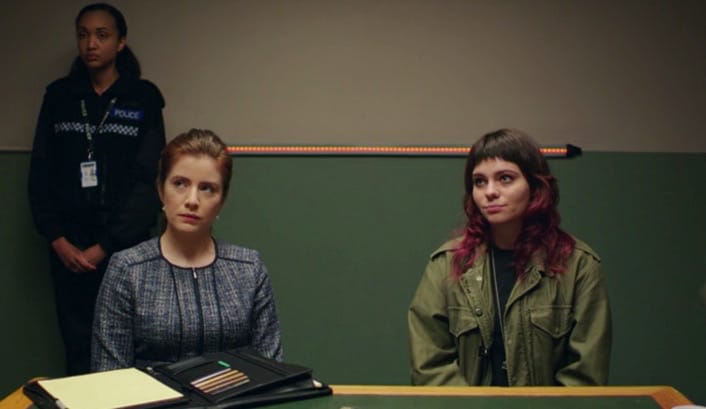
- Someone who sits, counsels and consoles whilst offering to make copious cups of tea.
- The youngest and newest on the team who is told to go and keep the family company.
Detectives with Hearts
So, who are these mysterious officers and what do they do?
For over 20 years now, the role of a Family Liaison Officer (FLO) has been established and developed across every Police Force in the UK. The role is, first and foremost, an investigator. Yes, there are many other skills needed – sensitivity, being an excellent communicator and having oodles of compassion are high on the list – but a ferociously enquiring mind and having a complete grasp of process and procedures are vital to both family and investigation alike.
Families are often thrown into an unwanted world of policing, media focus, and general confusion whilst trying to cope with processing the emotional and practical impact of their devastation. Any death can be difficult to bear, but a violent and unexpected death at the hands of someone else brings a whole different dimension.
FLOs are experienced investigators who are able to walk the family through the investigative process, explaining what is happening and why. They can describe what happens at the place where their loved one died – an image often portrayed by police tape, white tents and men and women in white forensic suits.
Deciphering Policespeak
They demystify police jargon, legal definitions and the real meaning behind phrases such as “a person is helping police with their enquiries” They give open and honest updates to families whilst managing their expectations and are direct when things can’t be shared, and explain why.
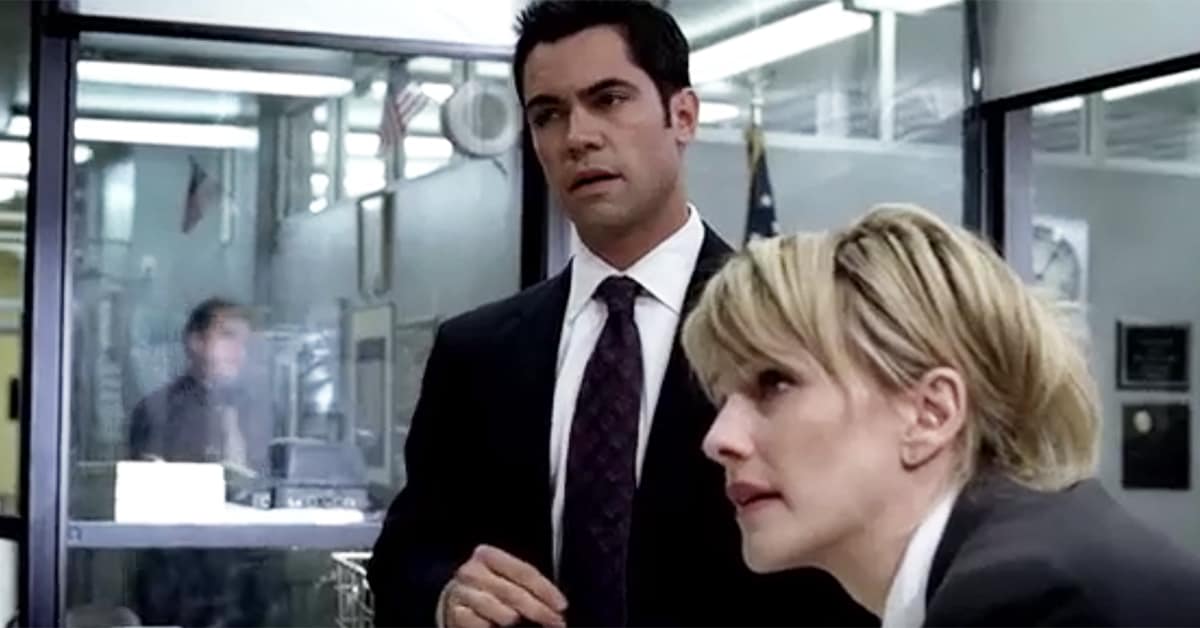
The law and process surrounding arrests, charges and criminal trials is yet another area that can baffle all but those that have experienced it or worked within it. A FLO guides families through all these areas and is a conduit for all police enquires or requests of the family.
Guiding the Way
Families are often exposed to both the impact of the situation and the spotlight they find themselves under. Support is necessary to make this manageable. Many families have their own networks but some need more guidance and information about what is available and how they can ask for it. A FLO can provide all the relevant information of what support options there are and provide details of how families can access it. They can link the family to other specialists who are better placed to answer certain queries or give advice, for example coroners’ officers or media relation officers.
The Harder Edge
So, you may still be wondering why this isn’t a support role and why these officers are “specially trained”.
The truly investigative aspect of this role is because the “devil is in the detail.”
It is a well-known fact that many people are killed by someone known to them. The family, and those close to the victim, are likely to hold key information that is crucial to the investigation. Sometimes this information is held knowingly but often careful, subtle and open conversations can uncover facts that help build a bigger picture. This may be information about relationships, possible motives, habits or routines, not forgetting the secret or private matters that were never meant to come out. It is these details that fill in the gaps to move the investigation on; links between people, places or items for example which may ultimately reveal the motive and identity of the killer.
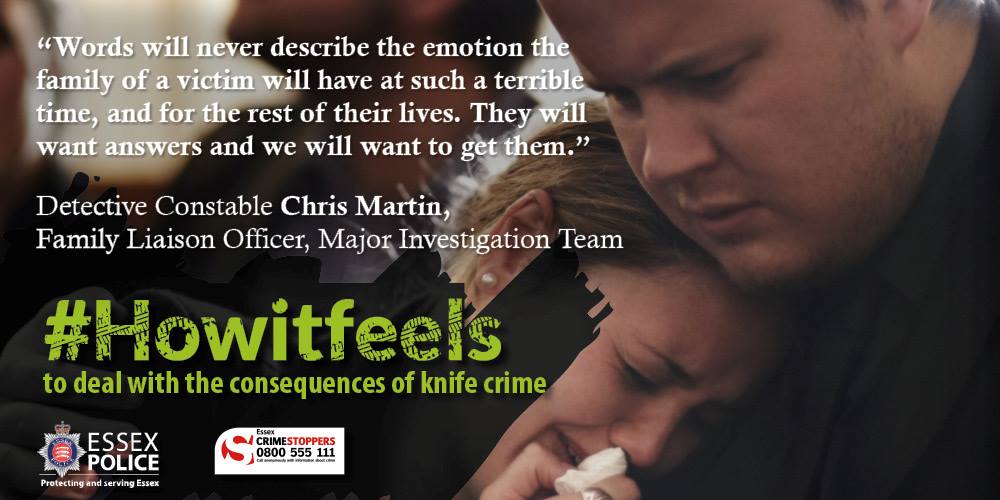
This is not done behind the family’s back. The role of a FLO and their investigative purpose is carefully explained, so that they are fully aware of the relevance of each and every conversation.
To help a family navigate their way through such difficult times whilst gleaning information and evidence crucial to an investigation takes resilience, skills, experience and the highest levels of victim care.
Not Just Murder
It’s not just about murder. FLOs are also deployed following road deaths and incidents involved mass fatalities whether they be criminal acts or natural disasters anywhere in the world. For UK FLOs were deployed to the Bali Bombing, Indian Ocean Tsunami and the Shoreham Air Crash.

An Unsung Privilege
This role is not for the feint hearted though.
I defy anyone to sit in a stranger’s front room that now has an empty seat at the dinner table, a bed that will never be slept in again or a child that will never be kissed goodnight by their parents and not find it hard. Yet most experienced FLOs will tell you they find it strangely rewarding. Rewarding because it is an absolute privilege to be welcomed into a family’s home in their darkest moment and have them share the finer details of their loved one’s life. All this whilst helping them navigate the criminal justice system, feel listened to and heard.
The role of a FLO can be one of the hardest jobs in policing and yet one that will be sadly needed for many years to come. Next time you see the headlines, perhaps the role of a FLO will seem slightly different to you now.
I certainly hope so.
About Lou Pye
Former DC Lou Pye is a specialist family liaison officer and trainer with over 20 years in the role. Alongside murder investigations, Lou has experience reviewing family liaison arrangements across the UK and her experience includes planning the response to national and international disasters including the Indian Ocean tsunami, the 7/7 London bombings, the Grenfell fire in London and she led the team of family liaison officers following the Shoreham Air Disaster.
In retirement she still works in the field and continues to train and advise family liaison officers and is a recent addition to Police Advisor’s bank of experts.
Lou was recognised for her work within family liaison by being awarded the Queen’s Police Medal in the 2017 New Year Honours.